Energy Management System Cost: What to Expect
Quick Summary
Energy management system cost varies based on building size, existing controls, equipment compatibility, monitoring requirements, and installation complexity. Basic energy-monitoring software may cost substantially less than a comprehensive building controls upgrade. Commercial facilities should budget for hardware, software, installation, integration, commissioning, and ongoing support. The best way to determine total cost and potential return on investment is to assess existing HVAC and refrigeration systems, define operational goals, and request a facility-specific proposal.
Why Energy Management Costs Matter to Commercial Facilities
Energy expenses can quietly erode a commercial facility’s operating budget. HVAC and refrigeration systems often account for a significant portion of those expenses, particularly when equipment runs longer than necessary or performance issues go undetected.
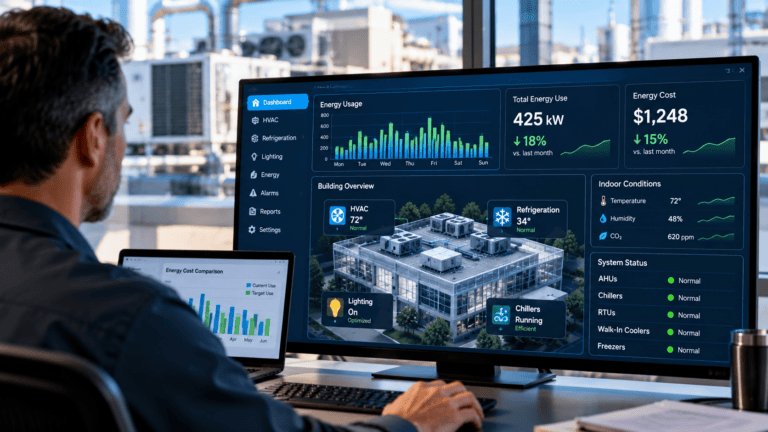
An energy management system can help identify these inefficiencies, improve operational visibility, and support more informed decisions about equipment performance. However, determining whether the investment makes financial sense requires looking beyond the initial price.
Understanding energy management system cost helps building owners and facility managers evaluate available solutions, prioritize improvements, and develop a realistic budget based on their operational needs.
How Much Does an Energy Management System Cost?
There is no universal price for a commercial energy management system. A relatively simple energy-monitoring solution can involve a much smaller investment than a facility-wide platform that connects HVAC equipment, refrigeration systems, sensors, and automated controls.
The U.S. Department of Energy has published historical cost benchmarks for energy information systems and fault detection software. In research based on 2019 deployments, median initial software and installation costs were approximately $1,500 per building for energy information systems and $12,500 per building for fault detection and diagnostic systems.
These figures are historical research benchmarks, not current installation quotes or estimates for complete building automation projects. More extensive installations may cost substantially more.
For current budgeting guidance, the U.S. Department of Energy explains the factors affecting energy management system costs, including monitoring points, software capabilities, building complexity, and recurring expenses.
The right budget begins with defining what the facility needs the system to accomplish.
What Factors Affect Energy Management System Cost?
Building Size and Equipment Complexity
Larger buildings generally require more monitoring points, connections, and configuration work. However, square footage alone does not determine the investment.
A smaller facility with complex refrigeration equipment may require more specialized integration than a larger office building with relatively straightforward HVAC systems.
The number of equipment types, control zones, meters, and locations matters just as much as building size.
Existing Controls and Equipment Compatibility
One of the most important cost considerations is whether the facility already has usable controls, sensors, or building automation infrastructure.
Compatible equipment may allow portions of the existing system to remain in place. Older or disconnected equipment may require additional controllers, gateways, communication wiring, or other upgrades.
A professional assessment can help identify which components can be integrated and which may need replacement.
TrueServ Mechanical’s commercial energy management systems services help businesses evaluate monitoring, controls, and integration opportunities across commercial HVAC and refrigeration equipment.
Monitoring, Automation, and Software Features
Not every business needs the same functionality.
Some facilities primarily want energy consumption reports and equipment alerts. Others need centralized dashboards, automated scheduling, remote access, fault detection, or coordinated control across multiple locations.
More advanced capabilities can increase implementation costs, but they may also provide additional operational value.
The objective should be selecting features that address measurable business needs rather than purchasing technology the facility will rarely use.
What is Included in Installation Costs?
A complete energy management system proposal should identify the equipment, labor, and technical services required for successful implementation.
Common expenses include:
Sensors, meters, controllers, and communication devices
Software configuration and licensing
HVAC and refrigeration equipment integration
Electrical work and communication infrastructure
Programming, testing, and commissioning
Employee training and system documentation
Installation complexity also depends on whether work can occur during normal business hours or must be coordinated around occupied spaces and operating equipment.
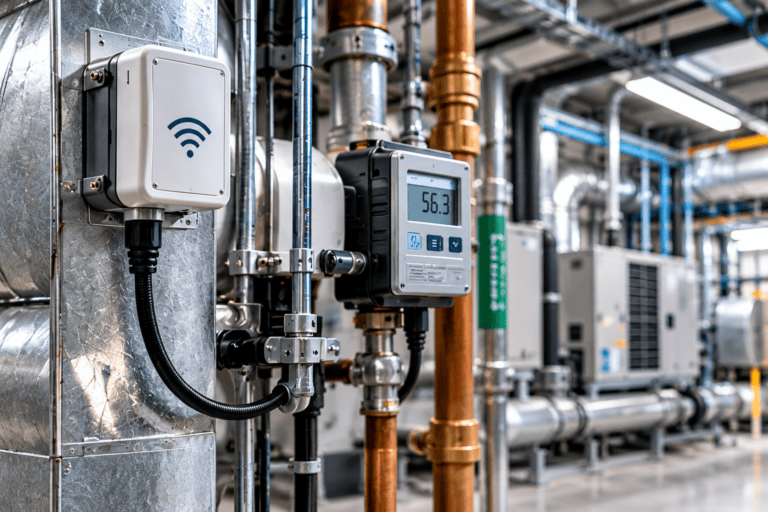
For businesses considering equipment improvements alongside controls integration, TrueServ’s commercial HVAC services can help address mechanical performance and system reliability as part of a broader improvement strategy.
What are the Ongoing Costs of an Energy Management System?
The initial installation is only part of the total investment.
Depending on the platform and service agreement, recurring expenses may include software subscriptions, cloud connectivity, technical support, updates, calibration, and periodic system optimization.
Some systems also require personnel time to review alerts, investigate unusual energy use, and implement recommended adjustments.
These activities are important because monitoring alone does not automatically eliminate energy waste. Someone must evaluate the information and take appropriate action.
A useful proposal should distinguish one-time installation costs from annual operating expenses and explain which services are included.
Can an Energy Management System Pay for Itself?

An energy management system may reduce operating costs by identifying unnecessary equipment runtime, inefficient scheduling, control problems, and developing mechanical issues.
However, savings depend on the facility’s starting condition, energy rates, operating hours, and whether identified problems are corrected.
Is Your Building Spending More on Energy Than It Should?
Let TrueServ Mechanical help identify opportunities to improve energy efficiency, equipment performance, and operating costs.
How to Calculate Potential Return on Investment
Start by estimating annual savings from realistic operational improvements.
For example, a facility spending $150,000 annually on energy that achieves a verified 6% reduction would save approximately $9,000 per year.
If the total initial project investment were $27,000, the simple payback period would be three years, before accounting for recurring costs or other financial factors.
These numbers are illustrative, not a TrueServ project result or guaranteed savings estimate.
A complete evaluation should also consider ongoing fees, maintenance expenses, equipment reliability, and the cost of potential business interruptions.
For additional ways to address unnecessary consumption, read our article, How to Reduce Energy Consumption in Commercial Buildings.
How Can Businesses Control Energy Management System Costs?
Start with an Assessment
Before requesting a comprehensive installation, identify the facility’s most significant energy expenses and operational concerns.
Review utility bills, equipment inventories, existing controls, operating schedules, and maintenance history.
This information helps establish which capabilities are essential and which upgrades can wait.
Consider a Phased Installation
Businesses with multiple buildings or complex mechanical systems may benefit from beginning with a limited implementation.
A phased approach can establish baseline performance, test compatibility, and demonstrate whether monitoring and controls deliver useful results before expanding.
It also allows facility managers to prioritize locations or equipment with the greatest operational need.
Combine Monitoring with Maintenance
Energy management technology works best when the mechanical equipment it monitors is properly maintained.
Dirty coils, airflow restrictions, malfunctioning sensors, and failing components can limit performance even when control settings are optimized.
Our guide, How to Reduce HVAC System Downtime in Commercial Facilities, explains why proactive maintenance and equipment planning remain important.
Facilities with extensive refrigeration equipment should also review How Often Should Commercial Refrigeration Be Serviced? when evaluating long-term operating expenses.
Get a Facility-Specific Energy Management System Cost Assessment
The most reliable way to estimate energy management system cost is to evaluate the equipment, controls, and operating requirements of the actual facility.
TrueServ Mechanical helps commercial businesses assess opportunities to improve HVAC and refrigeration visibility, control, and operating efficiency.
Whether you manage one building or multiple locations, understanding the available options can help you plan improvements around your operational priorities and budget.

Contact TrueServ Mechanical to discuss your facility and take the next step toward a practical energy management strategy.
FAQS
How much does a commercial energy management system cost?
Costs vary widely. Monitoring software may require a relatively modest investment, while comprehensive controls integration can involve significant hardware, programming, and installation expenses. A facility-specific assessment provides a more useful estimate than a generic price range.
What is the biggest factor affecting energy management system cost?
Existing equipment compatibility, the number of monitoring and control points, and the complexity of integration are major factors. Building size alone does not determine the total cost.
Can an energy management system work with existing HVAC equipment?
Often, yes. Compatibility depends on the equipment, available controls, communication protocols, and desired capabilities. Some installations require additional controllers or interface devices.
How long does it take for an energy management system to pay for itself?
Payback depends on installation cost, recurring expenses, current energy consumption, and verified savings. Facilities with substantial correctable energy waste may achieve faster returns than buildings that already operate efficiently.
Are there ongoing fees after installation?
Some systems have recurring software, cloud access, maintenance, or technical support costs. These should be identified in the proposal and included in the total cost evaluation.