Commercial Refrigeration Preventive Maintenance
How Often Should Commercial Refrigeration Be Serviced?
Quick Summary
The ideal commercial refrigeration preventive maintenance schedule depends on your equipment, operating hours, and business type. While many commercial refrigeration systems benefit from service at least twice each year, restaurants, grocery stores, convenience stores, healthcare facilities, cold storage operations, and other high-demand environments often benefit from quarterly, or even monthly maintenance to maximize reliability and protect critical inventory. Routine commercial refrigeration preventive maintenance typically includes cleaning condenser and evaporator coils, inspecting refrigerant levels, testing electrical components, verifying temperatures, cleaning drains, and identifying worn components before they fail. A customized maintenance program helps reduce emergency repairs, improve energy efficiency, extend equipment life, and lower long-term operating costs.
Why Commercial Refrigeration Preventive Maintenance Matters
Commercial refrigeration systems work harder than almost any other equipment in your facility. From walk-in coolers and freezers to refrigerated display cases and prep tables, these systems operate around the clock to protect inventory and support daily operations.

Because these systems rarely stop running, even small maintenance issues can quickly become expensive repairs. Dirty condenser coils, worn door gaskets, loose electrical connections, or low refrigerant levels may not cause immediate problems, but over time they can reduce efficiency, increase energy costs, and eventually lead to equipment failure.
That’s why commercial refrigeration preventive maintenance is one of the smartest investments a business can make. Rather than waiting for something to break, scheduled maintenance helps identify developing issues early, keeping refrigeration systems operating efficiently while reducing the risk of unexpected downtime.
Recommended Commercial Refrigeration Service Schedule
The ideal commercial refrigeration preventive maintenance schedule depends on your equipment, operating hours, and business type. While many commercial refrigeration systems benefit from service at least twice each year, restaurants, grocery stores, convenience stores, healthcare facilities, cold storage operations, and other high-demand environments often benefit from quarterly—or even monthly—maintenance to maximize reliability and protect critical inventory.
Higher-demand facilities often benefit from quarterly or more frequent preventive maintenance, including:
- Restaurants
- Grocery stores
- Convenience stores
- Healthcare facilities
- Schools and universities
- Food processing plants
- Cold storage warehouses
- Distribution centers
Grocery stores and convenience stores often place exceptional demands on refrigeration equipment because of continuous operation, frequent door openings, and high product turnover. Learn more in our article, Keep Your Grocery Store or C-Store Running Cold: Money-Saving Refrigeration Strategies.
Factors such as frequent door openings, extended operating hours, high ambient temperatures, and heavy product turnover can all increase wear on refrigeration equipment. Facilities with these conditions often see better long-term reliability with more frequent inspections.
What Is Included in Commercial Refrigeration Preventive Maintenance?
A comprehensive preventive maintenance visit evaluates the major components that affect refrigeration performance, efficiency, and reliability.
1) Condenser Coil Cleaning
Dirty condenser coils reduce airflow and force compressors to work harder. Regular cleaning improves heat transfer, lowers energy consumption, and helps extend compressor life.
2) Evaporator Coil Inspection
Technicians inspect evaporator coils for dirt, ice buildup, airflow restrictions, and proper fan operation to ensure consistent cooling performance.
3) Refrigerant System Inspection
Preventive maintenance includes checking refrigerant levels, inspecting for leaks, and verifying that operating pressures remain within manufacturer specifications.
4) Electrical Component Testing
Loose or worn electrical components are a common cause of unexpected equipment failures. Service visits typically include inspecting wiring, capacitors, relays, contactors, and electrical connections.
5) Door Gasket Inspection
Damaged door seals allow warm air to enter refrigerated spaces, forcing compressors to run longer and increasing utility costs. Replacing worn gaskets is often one of the simplest ways to improve efficiency.
6) Drain and Defrost System Inspection
Cleaning condensate drains and inspecting defrost components helps prevent water leaks, excessive ice buildup, and drainage problems.
5) Temperature Verification
Technicians verify that equipment maintains proper operating temperatures while checking thermostats, sensors, and controllers for accuracy. Maintaining proper refrigeration temperatures is an important part of protecting food safety and complying with industry best practices outlined in the U.S. Food & Drug Administration Food Code.
Why Scheduled Maintenance Saves Money
Many business owners postpone maintenance because their refrigeration equipment appears to be operating normally.
Unfortunately, refrigeration failures often develop gradually.
A dirty condenser coil may increase compressor workload. That additional strain raises operating temperatures, increases electrical consumption, and accelerates component wear. Eventually, what began as a simple maintenance issue can become a costly compressor replacement.
Routine commercial refrigeration preventive maintenance helps businesses:
- Reduce emergency repair costs
- Improve energy efficiency
- Extend equipment lifespan
- Protect refrigerated inventory
- Minimize unexpected downtime
- Improve budget predictability
Businesses looking to reduce long-term operating expenses often find that scheduled maintenance costs significantly less than emergency repairs and inventory loss.
Choosing the right service provider is just as important as maintaining the right service schedule. If you’re evaluating your options, read our article, How to Choose the Right Commercial Refrigeration Repair Company, for practical tips on selecting a qualified commercial refrigeration partner.
For organizations with multiple locations, structured commercial refrigeration maintenance plans also help standardize service schedules and equipment performance across every facility.
Seasonal Maintenance Matters
While refrigeration systems operate year-round, seasonal weather can affect equipment performance.
During the summer, higher outdoor temperatures force condensers to work harder to reject heat. Dirty coils, restricted airflow, or weak condenser fans become much more noticeable during periods of extreme heat.
Scheduling preventive maintenance before peak summer temperatures helps ensure refrigeration systems are prepared for increased demand and reduces the likelihood of mid-season failures.
Likewise, winter inspections provide an opportunity to identify wear that developed during the busiest months of operation and prepare equipment for the coming year.
Warning Signs Your Refrigeration Equipment Needs Service
Even if your business follows a regular maintenance schedule, it’s important to recognize the early signs of developing problems. Addressing these issues promptly can often prevent more extensive repairs and unplanned downtime.
Schedule service if you notice:
- Rising product temperatures
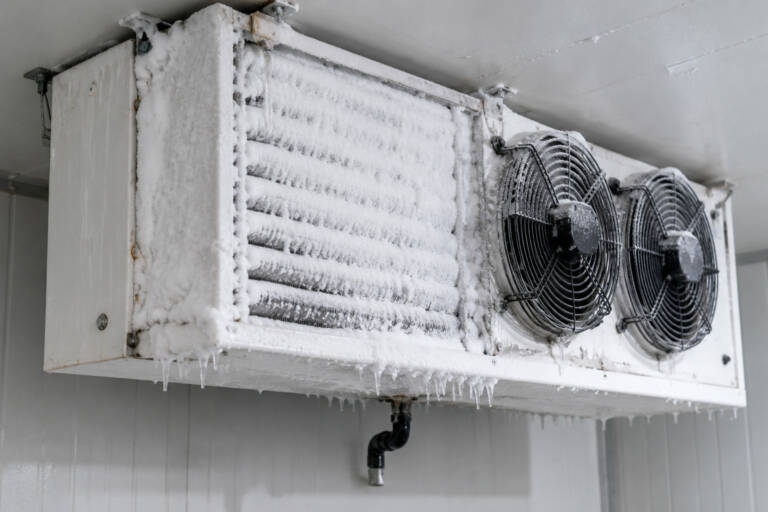
- Excessive ice or frost buildup
- Water leaking around equipment
- Unusual compressor or fan noises
- Longer-than-normal compressor run times
- Frequent system cycling
- Higher utility bills
- Condensation around doors
- Damaged or loose door gaskets
- Inconsistent cooling performance
Many of these warning signs first appear in walk-in coolers, where even small temperature changes can quickly affect inventory and operations. If you’re already experiencing cooling problems, our article on Walk-In Cooler Repair: What to Do When Your System Stops Cooling explains what to look for before a minor issue becomes a major repair.
Regardless of the type of refrigeration equipment you operate, these symptoms rarely resolve on their own. A professional inspection can identify the root cause before it develops into a more expensive repair.
Protect Your Investment with Commercial Refrigeration Preventive Maintenance
Commercial refrigeration equipment represents a significant investment, and keeping it operating efficiently requires more than waiting for something to fail.
Routine commercial refrigeration preventive maintenance helps businesses improve equipment reliability, reduce energy consumption, extend system lifespan, and minimize costly emergency repairs. Whether you operate a single restaurant or manage multiple commercial facilities, a proactive maintenance schedule helps protect both your equipment and your bottom line.
If your refrigeration system hasn’t been professionally serviced within the past six months, now is an excellent time to schedule an inspection before small issues become costly emergency repairs.
There is no one-size-fits-all maintenance schedule. The right service frequency depends on your equipment, operating hours, environmental conditions, and how critical refrigeration is to your business. A customized preventive maintenance program helps ensure your equipment receives the level of service it actually needs, without paying for unnecessary visits.
Ready to Keep Your Refrigeration Equipment Running Reliably?
TrueServ Mechanical provides customized preventive maintenance programs for commercial refrigeration systems throughout the Dallas–Fort Worth area. Our experienced technicians help businesses identify developing issues early, reduce unexpected downtime, and maximize equipment performance.
FAQS
How often should commercial refrigeration be serviced?
Most commercial refrigeration systems should receive professional preventive maintenance at least twice per year. High-demand operations such as restaurants, grocery stores, healthcare facilities, and cold storage warehouses often benefit from quarterly service.
What is included in commercial refrigeration preventive maintenance?
A preventive maintenance visit typically includes cleaning condenser and evaporator coils, inspecting refrigerant levels, testing electrical components, checking door gaskets, cleaning drain lines, and verifying proper operating temperatures.
Are commercial refrigeration maintenance plans worth it?
Yes. Scheduled maintenance helps reduce emergency repairs, improve energy efficiency, extend equipment life, and provide more predictable operating costs.
Can preventive maintenance reduce emergency breakdowns?
Absolutely. Routine inspections identify worn or failing components before they result in unexpected equipment failures, reducing downtime and repair expenses.
When should I search for commercial refrigeration maintenance near me?
If your equipment hasn’t been professionally serviced within the past six months—or if you notice inconsistent temperatures, unusual noises, water leaks, or excessive frost buildup, it’s a good time to schedule maintenance before a minor issue becomes a major repair.