How to Reduce HVAC System Downtime in Commercial Facilities
Quick Summary
Businesses searching for how to reduce HVAC system downtime should focus on preventive HVACR planning, scheduled maintenance, and proactive equipment management. Commercial facilities that invest in preventive planning often experience fewer emergency breakdowns, lower repair costs, and more reliable day-to-day operations.
Businesses that successfully reduce HVAC downtime often treat HVACR systems as long-term operational assets rather than short-term repair expenses. This means creating maintenance schedules, budgeting for upgrades, monitoring equipment performance, and partnering with experienced commercial HVACR providers.
Commercial facilities that wait until a system fails are often forced into reactive repairs, emergency service calls, operational disruptions, and higher long-term expenses. In many cases, HVAC and refrigeration systems show warning signs long before a major failure occurs, but without preventive planning, those warning signs are frequently missed until downtime impacts operations.
For businesses researching how to reduce HVAC system downtime, the most effective strategy is typically a combination of preventive maintenance, operational planning, and proactive facility support designed to reduce emergency breakdowns before they happen.
Why Commercial Facilities Experience HVACR Downtime
Many commercial HVAC and refrigeration failures develop gradually over time rather than appearing suddenly. Deferred maintenance, aging equipment, dirty coils, refrigerant leaks, electrical issues, and neglected inspections are all common contributors to avoidable downtime.
Facilities that rely heavily on refrigeration or climate control systems often face additional operational risks when maintenance is delayed. Grocery stores, restaurants, healthcare facilities, office buildings, manufacturing environments, and multi-site commercial operations can all experience costly disruptions when HVACR systems fail unexpectedly.
For businesses operating multiple facilities or managing mission-critical environments, commercial HVAC repair services from TrueServ Mechanical help support long-term system reliability and operational continuity.
How Preventive HVACR Planning Helps Reduce Emergency Service Calls
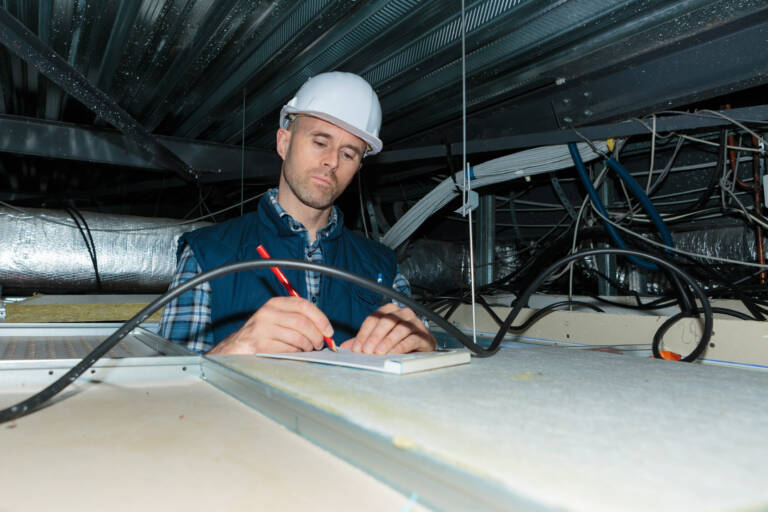
Preventive HVACR planning focuses on identifying small issues before they become expensive emergencies. Scheduled inspections and maintenance programs help technicians monitor equipment performance, identify wear patterns, and address developing problems early.
A proactive maintenance strategy may include:
- Coil cleaning
- Refrigerant checks
- Electrical testing
- Airflow inspections
- Belt and motor inspections
- Thermostat calibration
- Drain line cleaning
- Filter replacement
- Compressor performance monitoring
These services help improve overall system efficiency while reducing the likelihood of sudden failures.
Commercial facilities searching for how to reduce HVAC system downtime often discover that preventive maintenance costs far less than emergency repairs, equipment replacement, or operational disruptions caused by system outages.
According to the U.S. Department of Energy, routine HVAC maintenance can improve efficiency and help extend equipment lifespan.
Commercial Refrigeration Downtime Can Become Extremely Expensive
For businesses that rely on refrigeration systems, emergency downtime creates additional risks beyond comfort and productivity. Grocery stores, restaurants, convenience stores, healthcare facilities, and food service operations may face inventory loss, compliance concerns, or business interruption when refrigeration systems fail.
Preventive refrigeration maintenance helps reduce the likelihood of:
- Walk-in cooler failures
- Compressor breakdowns
- Product spoilage
- Ice buildup
- Temperature inconsistencies
- Refrigerant leaks
- Emergency shutdowns
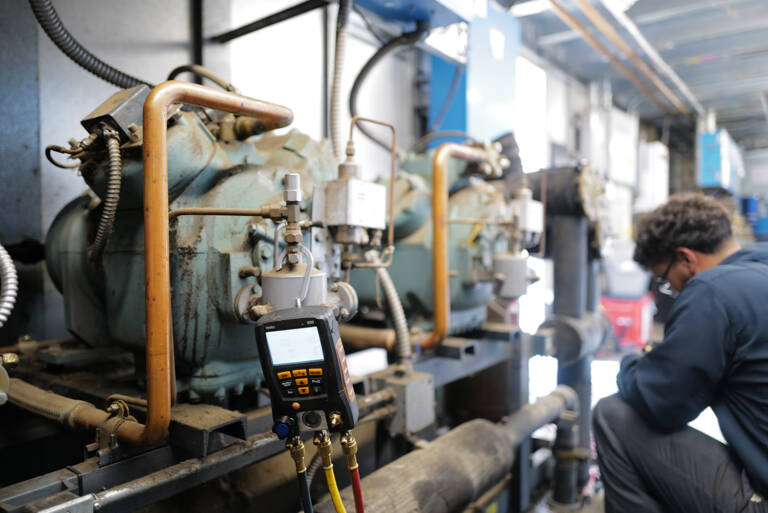
Businesses seeking to reduce refrigeration downtime should focus on maintenance planning that supports both operational performance and long-term equipment reliability.
TrueServ Mechanical’s commercial refrigeration services help businesses maintain reliable cooling performance across demanding commercial environments.
Long-Term HVACR Planning Supports Operational Stability
Businesses that successfully reduce HVAC system downtime typically take a long-term approach to facility operations and equipment reliability. Instead of reacting only when systems fail, they create maintenance schedules, track equipment performance, and budget proactively for repairs and upgrades.
Facilities that plan proactively are often better equipped to:
- Extend equipment lifespan
- Reduce emergency repair costs
- Improve energy efficiency
- Maintain occupant comfort
- Prevent operational interruptions
- Improve maintenance budgeting
- Reduce system strain during peak seasons
One of the most effective ways to reduce emergency downtime is developing a maintenance partnership with a commercial HVACR provider that understands the facility’s equipment, operational needs, and long-term service goals.
HVACR Planning Supports Energy Efficiency Goals
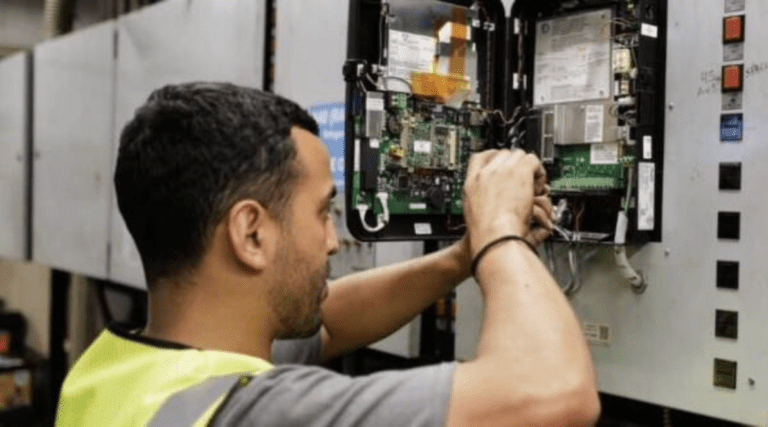
Reducing HVAC system downtime is not only about preventing emergencies. Preventive HVACR planning can also help improve building efficiency and reduce long-term operating costs.
Poorly maintained HVAC systems often consume more energy due to restricted airflow, dirty components, refrigerant problems, or inefficient operation. As systems work harder to maintain performance, energy usage increases while equipment reliability decreases.
Businesses focused on operational efficiency may also benefit from commercial energy management services that help optimize HVAC and refrigeration system performance across their facilities.
Signs Your Facility May Need Preventive HVACR Planning
Commercial facilities often overlook warning signs that indicate growing HVACR reliability issues. Identifying these early indicators can help reduce the risk of emergency failures.
Common warning signs include:
- Frequent repair calls
- Uneven cooling or heating
- Rising utility costs
- Refrigeration temperature fluctuations
- Excessive system cycling
- Unusual noises or vibrations
- Aging equipment nearing end-of-life
- Increased emergency service requests
If these issues are becoming more common, your facility may benefit from a more proactive maintenance and planning strategy.
Why Businesses Are Prioritizing HVACR Reliability in 2026
Commercial facilities are increasingly prioritizing system reliability because downtime has become more disruptive and expensive across many industries. Labor shortages, supply chain delays, and rising equipment costs have made emergency replacements more difficult to manage than in previous years.
As a result, businesses are placing greater emphasis on preventive maintenance, operational planning, and long-term HVACR partnerships that help reduce risk and improve reliability.
For companies researching how to reduce HVAC system downtime, the most effective strategy is often consistent preventive maintenance combined with proactive operational planning.

Businesses focused on operational efficiency may also benefit from commercial energy management services that help optimize HVAC and refrigeration system performance across their facilities.
Protect Your Facility From Preventable Downtime
Emergency HVAC and refrigeration failures can disrupt operations, increase costs, and create avoidable stress for commercial facilities. Preventive HVACR planning helps businesses stay ahead of equipment issues while improving system reliability and long-term performance.
Contact TrueServ Mechanical today to learn how preventive HVACR planning can help reduce downtime and support more reliable facility operations
FAQS
How can businesses reduce HVAC system downtime?
Businesses can reduce HVAC system downtime through preventive maintenance, scheduled inspections, equipment monitoring, and proactive HVACR planning that identifies issues before failures occur.
Why is preventive HVAC maintenance important?
Preventive HVAC maintenance helps improve system reliability, reduce emergency repairs, extend equipment lifespan, and improve energy efficiency across commercial facilities.
What causes commercial HVAC downtime?
Commercial HVAC downtime is commonly caused by deferred maintenance, aging equipment, refrigerant leaks, electrical issues, dirty coils, airflow restrictions, and unexpected component failures.
How does preventive refrigeration maintenance reduce downtime?
Preventive refrigeration maintenance helps identify developing issues early, reducing the likelihood of compressor failures, temperature inconsistencies, refrigerant leaks, and costly emergency shutdowns.