Why Emergency HVAC Repairs Cost Commercial Facilities More Than They Realize
Quick Summary
Businesses relying on commercial HVAC emergency service often underestimate the true cost of emergency downtime. Preventive HVACR planning and maintenance can help reduce operational disruptions, emergency repair costs, and long-term equipment strain.
Many commercial facilities assume the biggest cost of an HVAC or refrigeration failure is the repair bill itself. In reality, the repair is often only a small part of the total financial impact. Emergency downtime can disrupt operations, reduce productivity, create customer dissatisfaction, damage inventory, strain employees, and force businesses into expensive reactive decisions.
Businesses that rely heavily on commercial HVAC emergency service often experience recurring operational problems because systems are being maintained reactively rather than strategically. Facilities that take a preventive approach to HVACR planning are often better positioned to reduce emergency calls, improve reliability, and maintain more stable operating conditions over time.
For businesses evaluating long-term operational costs, the goal is not simply repairing systems faster. The goal is reducing how often emergencies happen in the first place.
The Hidden Operational Costs of Emergency HVAC Downtime
When HVAC or refrigeration systems fail unexpectedly, the effects often extend well beyond equipment repairs. Commercial facilities may experience interrupted business operations, uncomfortable environments, reduced employee productivity, or lost revenue while systems remain offline.
For refrigeration-dependent facilities such as grocery stores, convenience stores, restaurants, and healthcare operations, downtime can become especially expensive. Inventory loss, food safety concerns, and emergency replacement costs can quickly escalate after refrigeration failures occur.
Businesses searching for commercial HVAC emergency service are frequently dealing with problems that have already disrupted operations. Emergency response is important, but long-term reliability usually depends on preventing those failures from happening repeatedly.
TrueServ Mechanical’s emergency and reactive HVACR services help commercial facilities respond quickly when critical system failures occur.
Why Emergency HVAC Repairs Usually Cost More
Emergency service calls are often more expensive than planned repairs because they occur under urgent conditions. After-hours labor, emergency dispatching, expedited parts sourcing, temporary operational shutdowns, and system strain can all increase the overall cost of reactive service.
Businesses that postpone maintenance often experience:
- More frequent breakdowns
- Larger repair bills
- Shorter equipment lifespan
- Increased operational interruptions
- Reduced system efficiency
- Higher utility expenses
Commercial HVAC systems that operate under constant strain are more likely to develop compressor failures, electrical issues, airflow problems, refrigerant leaks, and temperature inconsistencies over time.
According to the U.S. Department of Energy, preventive maintenance can improve HVAC efficiency and help reduce long-term operating costs.
Commercial Refrigeration Failures Can Escalate Quickly
Refrigeration downtime creates unique operational risks because product loss and compliance issues may begin developing almost immediately after system failures occur.
Commercial refrigeration emergency service calls often involve:
- Walk-in cooler failures
- Freezer shutdowns
- Ice machine problems
- Refrigerant leaks
- Compressor failures
- Temperature instability
For facilities operating multiple refrigeration systems, even a short interruption can create expensive operational consequences.
Commercial refrigeration services from TrueServ Mechanical help businesses maintain more reliable cooling performance across demanding commercial environments.
How Preventive HVACR Planning Helps Reduce Emergencies
Facilities that successfully reduce emergency service calls typically approach HVACR systems as operational infrastructure rather than short-term repair expenses. Preventive HVACR planning focuses on identifying risks early, monitoring equipment condition, and scheduling maintenance before failures occur.
A proactive maintenance strategy may include:
- Scheduled inspections
- Refrigerant testing
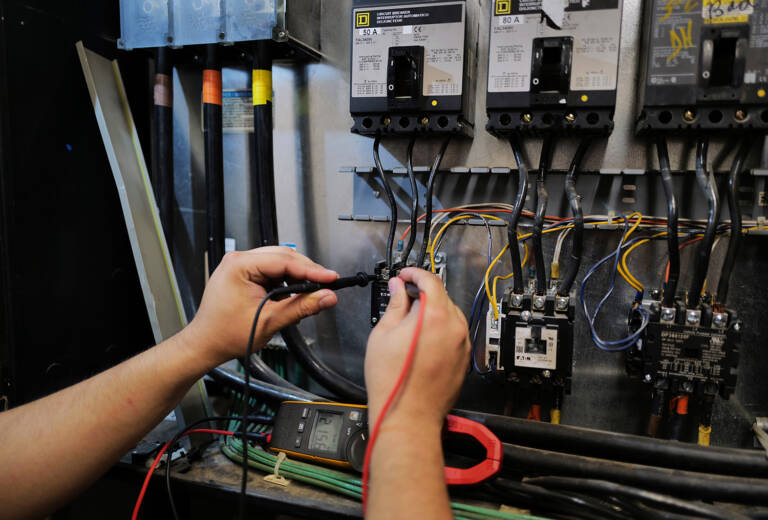
- Electrical diagnostics
- Coil cleaning
- Drain line maintenance
- Filter replacement
- Equipment performance monitoring
- Airflow testing
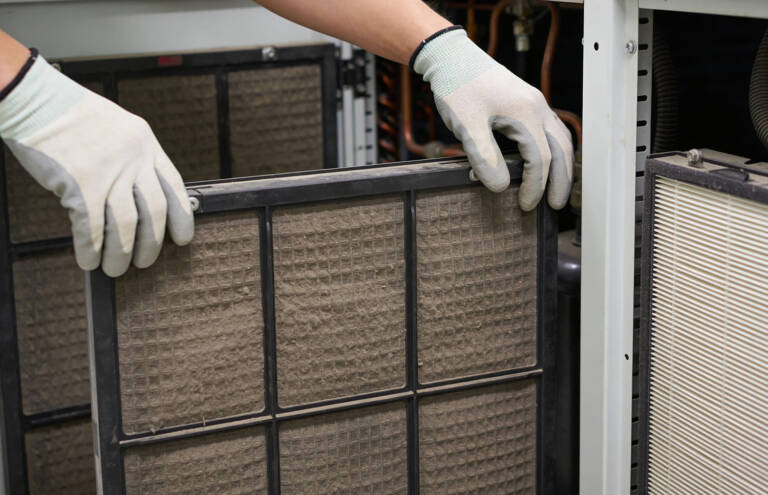
These services help identify developing issues before they escalate into major operational disruptions.
Businesses relying heavily on commercial HVAC emergency service often discover that preventive maintenance is significantly less expensive than repeated emergency repairs and downtime-related losses.
Emergency Downtime Impacts More Than Equipment
One of the biggest misconceptions surrounding HVAC emergencies is that downtime only affects mechanical systems. In reality, emergency failures often impact the broader facility environment and business operations.
Commercial HVAC downtime may affect:
- Employee comfort
- Customer experience
- Tenant satisfaction
- Indoor air quality
- Productivity
- Inventory protection
- Operational scheduling
Facilities that depend on climate-sensitive environments may experience additional complications when systems become unreliable during extreme weather conditions or high-demand operating periods.
Long-Term HVACR Planning Supports Facility Reliability
Businesses that consistently reduce emergency downtime typically build long-term relationships with commercial HVACR providers who understand their equipment, facility demands, and operational priorities.
Instead of reacting only when emergencies occur, these facilities focus on:
- Maintenance scheduling
- Equipment lifecycle planning
- System upgrades
- Operational continuity
- Energy efficiency improvements
- Emergency risk reduction
This long-term planning approach often leads to lower operating costs, fewer service interruptions, and more stable facility performance over time.
Businesses interested in improving operational efficiency may also benefit from commercial energy management services that help optimize HVAC and refrigeration system performance across commercial facilities.
Why Businesses Are Prioritizing Reliability in 2026
Many commercial facilities are placing greater emphasis on HVACR reliability because emergency downtime has become more disruptive and expensive in recent years. Supply chain delays, labor shortages, and rising equipment costs have made emergency replacement situations more difficult to manage than in the past.
As a result, businesses are increasingly focusing on preventive maintenance, operational planning, and facility reliability strategies that help reduce emergency service dependency.
For companies currently relying heavily on commercial HVAC emergency service, preventive HVACR planning may offer one of the most effective long-term strategies for reducing operational risk and stabilizing facility performance.
Reduce Emergency Downtime Before It Impacts Operations
Emergency HVAC and refrigeration failures can create far-reaching operational and financial consequences for commercial facilities. While emergency service response remains important, long-term reliability often depends on reducing how frequently those emergencies occur.
Contact TrueServ Mechanical today to learn how preventive HVACR planning can help reduce emergency downtime and support more reliable facility operations.
FAQS
Why is commercial HVAC emergency service more expensive?
Commercial HVAC emergency service is often more expensive because it may involve after-hours labor, emergency dispatching, expedited parts sourcing, operational disruptions, and reactive repairs under urgent conditions.
How can businesses reduce emergency HVAC repairs?
Businesses can reduce emergency HVAC repairs through preventive maintenance, scheduled inspections, equipment monitoring, and proactive HVACR planning designed to identify problems before failures occur.
What causes commercial refrigeration emergencies?
Commercial refrigeration emergencies are commonly caused by compressor failures, refrigerant leaks, electrical issues, temperature instability, deferred maintenance, and aging equipment.
Why is preventive HVAC maintenance important for commercial facilities?
Preventive HVAC maintenance helps commercial facilities improve system reliability, reduce downtime, extend equipment lifespan, improve efficiency, and lower long-term operational costs.