How to Reduce Energy Consumption in Commercial Buildings
Common Causes & Solutions
Quick Summary
How to reduce energy consumption in commercial buildings starts with identifying operational waste in HVAC, refrigeration, and controls, then fixing schedules, setpoints, maintenance gaps, and hidden system faults.
If your utility bills feel unpredictable, you are not alone. Many facilities spend money on energy without realizing the real cause is not the utility rate or the age of the building. It is usually operational waste. This guide explains how to reduce energy consumption in commercial buildings by focusing on common causes that quietly drive cost and how to correct them with practical, facility-friendly actions.
When these improvements are paired with professional HVAC and refrigeration support, savings are often more consistent than one-time equipment upgrades.
Why Energy Consumption Rises in Commercial Buildings
Energy use tends to climb over time for predictable reasons. Operating schedules change, staff changes, equipment drifts out of tune, and small issues compound. The building still “works,” but it works harder than it should.
Common contributors include:
Longer run times due to schedule creep
Temperature setpoints that are fighting each other
Poor airflow caused by dirty coils and filters
Refrigeration temperature instability that drives compressors harder
Controls that were never tuned after installation
Maintenance that is reactive instead of preventive
If you are seeing higher bills without a clear reason, it is a signal that something in operations has shifted.
Common Causes and Solutions to Reduce Energy Consumption
Below are the most common drivers of high energy use, along with solutions that help reduce energy consumption in commercial buildings without disrupting operations.
1) Schedule Creep & After Hours Runtime
One of the simplest reasons energy bills rise is that equipment runs when it does not need to.
Solution ideas:
Confirm HVAC schedules match actual occupancy
Reduce after hours ventilation where appropriate
Use staged start and stop times so everything does not run at once
Review overrides and manual holds, then reset them
For many facilities, schedule corrections deliver quick wins because they reduce run time immediately.
2) Setpoints That Compete
You can waste energy when zones heat and cool too aggressively, or when employees make frequent manual adjustments. This often happens in mixed-use buildings, retail, and offices with uneven sun exposure.
Solution ideas:
Set practical temperature bands, rather than extremes
Lock certain settings so they are not changed daily
Verify sensors are reading accurately
Review economizer operation if applicable
These adjustments improve comfort and reduce the energy required to maintain it.
If you want to prevent schedule drift from returning, TrueServ can install and optimize an energy management platform. Learn more.
3) Dirty Coils & Airflow Restrictions
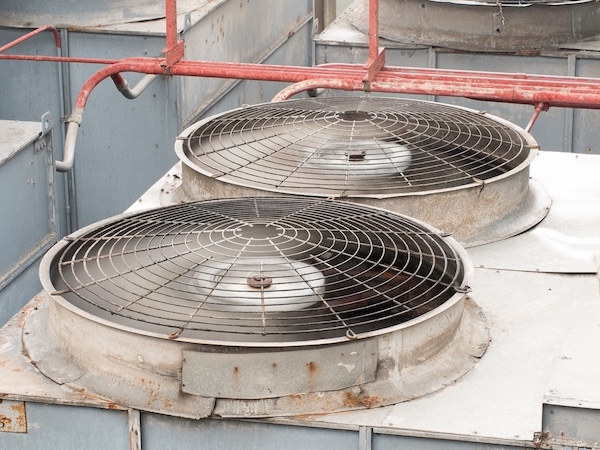
Airflow problems cause longer runtimes, higher compressor load, and reduced efficiency. This is one of the most overlooked answers to how to reduce energy consumption in commercial buildings.
Solution ideas:
Replace filters on schedule
Clean condenser coils and evaporator coils
Confirm belts, pulleys, and fan operation are correct
Inspect for blocked returns or supply restrictions
If you need help aligning your maintenance strategy, TrueServ Mechanical offers preventive maintenance programs. View Plans & Pricing.
4) Refrigeration Waste and Temp Drift
In food service and retail, refrigeration energy use often spikes when doors do not seal, coils are dirty, or defrost settings are not tuned. Even small temperature drift increases compressor workload.
Solution ideas:
Inspect door gaskets and hinges
Check defrost settings and frequency
Clean coils and confirm airflow
Verify case temperatures and product loading practices
For businesses with refrigeration, energy savings also protect product quality and food safety.
If you want to understand whether your system is operating efficiently, review our commercial refrigeration service page.
5) Controls That Are Not Tuned to Real Use
Many facilities have controls that were installed but never optimized. Some controls are set up in a default configuration that does not match real operations.
Solution ideas:
Verify control sequences match your hours and usage
Tune staging and reset strategies
Set alerts for unusual runtime or temperature swings
Standardize settings across locations when possible
This is where commercial energy management systems help most. They provide visibility, alerts, and control that prevents waste from compounding.
How to Reduce Energy Consumption in Commercial Buildings Without Replacing Equipment
Many owners assume they must replace HVAC units to reduce costs. In reality, you can often reduce energy consumption in commercial buildings by correcting operations first.

Start with these priorities:
Fix schedules and overrides
Confirm setpoints, sensors, and zoning
Restore airflow through cleaning and maintenance
Stabilize refrigeration temperatures
Use monitoring to prevent drift and catch inefficiencies early
Professional evaluation matters because the goal is not only reducing usage, it is doing it without introducing comfort complaints, humidity issues, or refrigeration risk.
For general building energy best practices, you can reference guidance from the U.S. Department of Energy at https://www.energy.gov/eere/buildings.
When High Energy Use Signals a Mechanical Problem
Sometimes the energy spike is a symptom of failure developing. These are warning signs that should trigger an inspection:
Units running continuously
Hot and cold complaints increasing
Refrigeration alarms or ice buildup
Short cycling or frequent resets
Rising repair frequency
When these occur, reducing energy consumption in commercial buildings requires more than scheduling changes. It may require repair, optimization, or replacement planning.

If you suspect a developing issue, visit our commercial HVAC services page for support.
A Final Note
Knowing how to reduce energy consumption in commercial buildings starts with identifying where waste is happening. Once you correct scheduling, airflow, temperature control, and refrigeration stability, you can make informed decisions about monitoring and upgrades.
If you want clear answers fast, TrueServ Mechanical can evaluate your building systems and help prioritize changes that reduce energy use without disrupting operations. For questions, call us at 972-693-2604.
FAQS
What is the fastest way to reduce energy consumption in commercial buildings?
The fastest improvement is usually reducing unnecessary runtime by correcting schedules, overrides, and setpoints.
Do energy management systems really reduce waste?
Yes, commercial energy management systems help reduce waste by providing visibility, alerts, and control so inefficiencies are corrected early and do not repeat.
Should I replace equipment before trying operational fixes?
Usually no. It is typically best to optimize operations and maintenance first, then decide if replacement is still needed based on performance.
How often should I review building schedules and setpoints?
At least seasonally, and also after staffing changes, tenant changes, or shifts in operating hours.