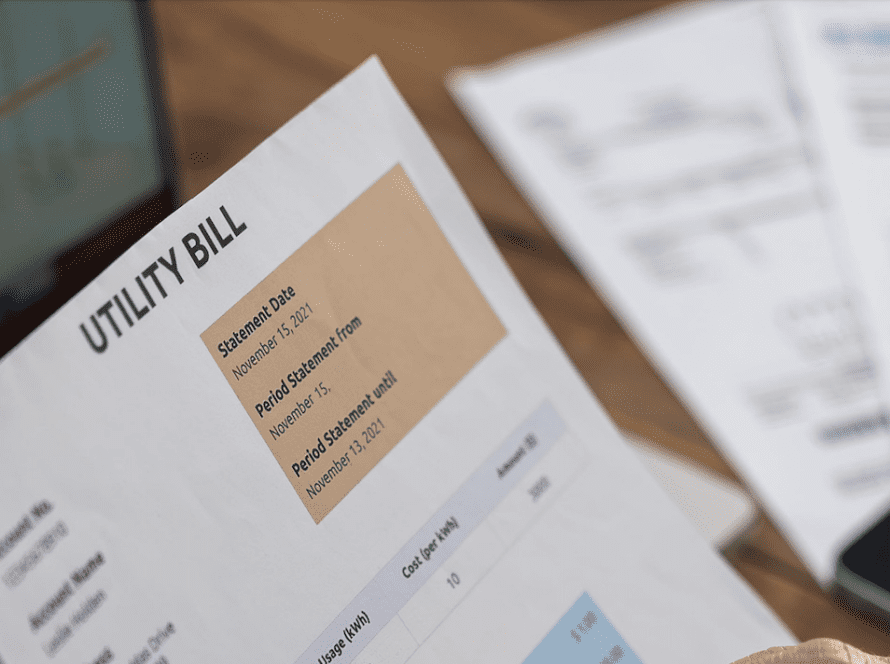
How Long Do Commercial HVAC Systems Last?
Quick Summary
Understanding how long commercial HVAC systems last helps facility owners decide whether to continue repairing equipment or plan for replacement. This guide explains average system lifespan, key factors that shorten or extend equipment life, and how to evaluate repair versus replacement in commercial buildings.
How long do commercial HVAC systems last is one of the most common questions business owners and facility managers ask when evaluating aging equipment. Commercial HVAC systems are major capital investments, and the decision to repair or replace them affects operating costs, energy efficiency, comfort, and long term reliability.
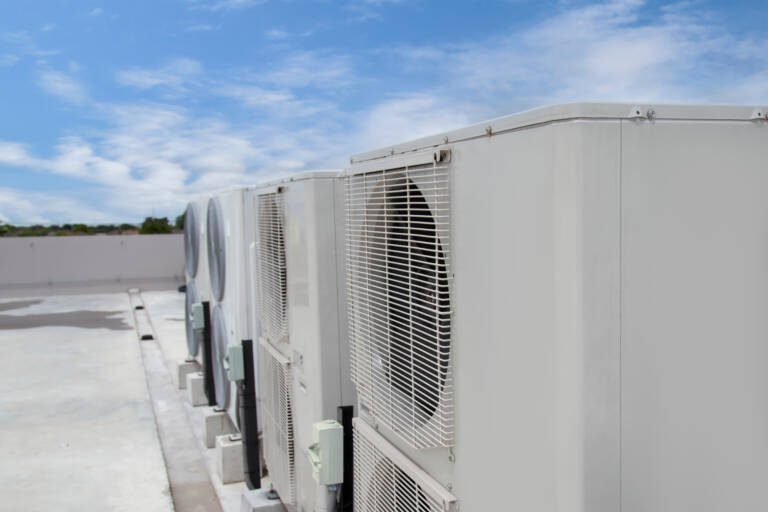
In commercial environments, HVAC equipment works harder and longer than residential systems. Rooftop units, split systems, and make up air units often operate year round and support large, occupied spaces. Understanding expected lifespan and warning signs helps businesses make informed decisions before failures disrupt operations.
Average Lifespan of Commercial HVAC Systems
Most commercial HVAC systems last 15 to 25 years, depending on equipment type, usage, and maintenance practices.
Typical lifespan ranges include:
Rooftop HVAC units: 15 to 20 years
Split commercial HVAC systems: 15 to 25 years
Make up air units: 20 to 25 years
Commercial chillers: 20 to 30 years
While these ranges provide guidance, real world performance varies. Systems operating in high demand environments or without regular maintenance often experience shorter lifespans.
According to the U.S. Department of Energy, routine maintenance and correct system sizing are among the most important factors affecting commercial HVAC system lifespan.
Regular inspections, coil cleaning, and airflow balancing are critical to maximizing equipment life, which is why commercial HVAC preventive maintenance plays such a significant role in long-term system performance. Working with a provider that emphasizes technical accuracy, safety, and long-term reliability is equally important, which is why many businesses review our Why Choose Us approach before committing to major HVAC decisions.
Not sure if repair or replace is the right move? We can help you evaluate your options.
What Impacts How Long Commercial HVAC Systems Last
Explore these factors that influence whether a system reaches its expected lifespan or fails early.

Repair or Replace HVAC System? How to Evaluate the Decision
Many facility managers struggle with whether to repair or replace HVAC equipment. The right decision depends on cost, reliability, and long term performance.
Consider replacement when:
The system is over 15 years old
Repairs are becoming frequent or costly
Energy efficiency is poor
Parts are difficult to source
Comfort complaints are increasing
Repair may still make sense when:
The system is under 10 years old
Repairs are minor and infrequent
Maintenance history is strong
Downtime risk is low
For businesses evaluating HVAC repair or replace decisions, a professional assessment helps determine the most cost effective path forward.
Energy Efficiency and Operating Costs
Evaluating energy usage alongside repair costs helps clarify whether replacing the system delivers long term savings.
Newer systems offer:
Improved energy efficiency
Better temperature control
Lower operating costs
Reduced maintenance needs
Compatibility with modern controls
Evaluating energy usage alongside repair costs helps clarify whether replacing the system delivers long term savings.

What to Expect During a Commercial HVAC Evaluation
A professional commercial HVAC evaluation typically includes:
System age and condition review
Repair history analysis
Airflow and performance testing
Electrical and control inspection
Cost comparison between repair and replacement
This evaluation supports informed decisions and reduces unexpected failures.
Learn more about our commercial HVAC service process on our Commercial HVAC Services page.
Planning Ahead for Commercial HVAC Replacement
Waiting until a system fails creates downtime, emergency expenses, and operational risk. Planning ahead allows businesses to:
Budget for replacement
Schedule work during low impact periods
Explore financing options
Improve energy performance proactively
For organizations managing multiple locations, proactive planning reduces disruptions across facilities.

FAQS
How long do commercial HVAC systems last with proper maintenance?
With regular maintenance, many commercial HVAC systems reach or exceed 20 years of service life, depending on system type and usage.
When should I replace a commercial HVAC system?
Replacement is typically recommended when systems exceed 15 to 20 years, experience frequent repairs, or operate inefficiently.
Is it better to repair or replace HVAC equipment?
The decision to repair or replace HVAC equipment depends on system age, repair cost, downtime risk, and long-term energy savings.
Ready to Evaluate Your Commercial HVAC System?
Schedule a professional assessment to understand repair and replacement options clearly.