What Happens When Businesses Skip Commercial HVAC Maintenance
Quick Summary
Commercial HVAC maintenance prevents breakdowns, reduces energy waste, and protects critical heating and cooling equipment. When businesses skip commercial HVAC maintenance, they face higher repair costs, downtime, safety issues, and operational disruptions.
Commercial HVAC maintenance is one of the most important investments a business can make in its building operations. When heating, cooling, and ventilation equipment are not serviced on a routine schedule, the entire facility feels the impact. Skipping maintenance may seem harmless for a season, but over time it leads to poor performance, unexpected failures, and rising energy costs. HVAC maintenance for businesses is essential for comfort, efficiency, and safety. It also protects long term budgets and reduces emergency service calls.
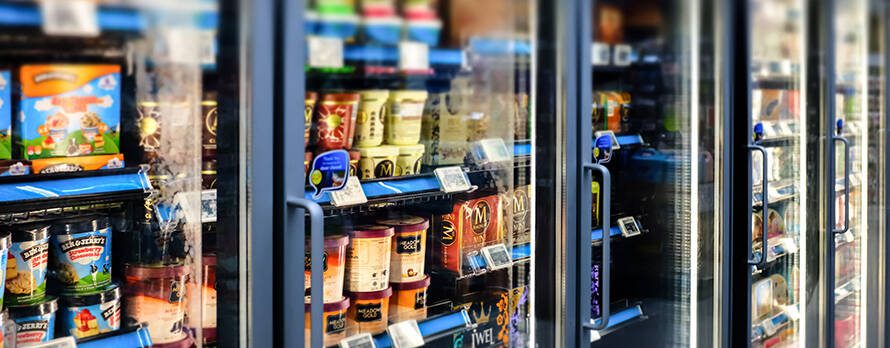
Some businesses manage both HVAC and refrigeration equipment. In those cases, commercial refrigeration maintenance contracts play an equally important role in preventing failures that impact food safety and inventory. When a business delays or ignores preventive care for these systems, the consequences can be costly.
Why Skipping Commercial HVAC Maintenance Leads to Breakdowns
Skipping commercial HVAC maintenance increases the chance of breakdowns at the worst possible time. Heating and cooling systems experience daily wear from motors, belts, electrical connections, and compressors. Small issues such as loose wiring or clogged filters can turn into major repairs when they are ignored.
During hot summers and colder winter months, commercial units are under heavy load. Without routine inspections, the system can overheat, short cycle, or stop working entirely. Emergency repairs cost more and often require immediate downtime that affects customer comfort and employee productivity.

Shortened Equipment Lifespan
Heating and cooling equipment is built to last many years, but only when it is cared for properly. Commercial HVAC maintenance slows down wear and prevents small issues from turning into major failures. Businesses that skip maintenance often replace equipment years earlier than expected.
Dirty coils, low refrigerant levels, unbalanced airflow, and worn belts place strain on compressors and motors. This reduces equipment life and forces businesses to make large capital investments sooner. Over time, the cost of early replacements far outweighs the cost of preventive care.
Increased Energy Costs and Poor Efficiency
HVAC systems run longer and work harder when they are not maintained. This leads to higher utility bills and reduced efficiency across the building. Dirty filters, clogged coils, and aging electrical components make the system struggle to keep up with temperature demands.
Many businesses notice rising energy bills before they notice comfort issues. Regular visits help identify energy waste early, improve airflow, and restore the system to proper performance levels.

Businesses that rely on refrigeration also see higher energy use when they skip commercial refrigeration maintenance contracts. Dirty condenser coils and blocked airflow lead to temperature swings that increase compressor workload. For grocery stores and restaurants, this can impact food safety and inventory quality.
Indoor Air Quality Issues Without Preventive HVAC Maintenance
Air quality affects employees, customers, and tenants. When HVAC systems do not receive preventive maintenance, dust, allergens, and contaminants circulate throughout the building. Dirty filters and neglected coils reduce airflow and trap pollutants inside the system.
Poor air quality can lead to inconsistent temperatures, musty odors, and humidity issues. In offices and retail spaces, these problems affect comfort, customer satisfaction, and employee performance. HVAC maintenance for businesses includes filter changes and ventilation checks that keep the air clean and healthy.
Safety and Compliance Risks
Skipping preventive maintenance can create safety issues. Electrical problems, cracked heat exchangers, high carbon monoxide levels, and blocked drains can put your building at risk. Routine inspections help identify hazards early and ensure equipment meets local codes and manufacturer standards.
Commercial refrigeration maintenance contracts are also important for food service and grocery environments. Dirty or malfunctioning refrigeration systems can lead to unsafe temperatures, spoiled food, and compliance challenges.
For verification of technician certification requirements, businesses can review EPA Section 608 guidelines at https://www.epa.gov/section608.
Loss of Warranty Protection
Many equipment manufacturers require proof of routine maintenance for warranty coverage. If a major component fails and the business cannot show maintenance documentation, the warranty claim may be denied.
Regular commercial HVAC maintenance protects long term equipment investments and ensures replacement parts are covered.
Customer Discomfort and Lost Revenue
Temperature problems can affect sales, service, and customer satisfaction. A store that is too warm or too cold creates an uncomfortable shopping experience. Restaurants, fitness centers, medical facilities, and retail spaces rely on proper heating and cooling to protect the customer experience.
When HVAC systems fail during peak business hours, customers notice immediately. Preventive care keeps conditions stable and creates a reliable indoor environment for every visitor.
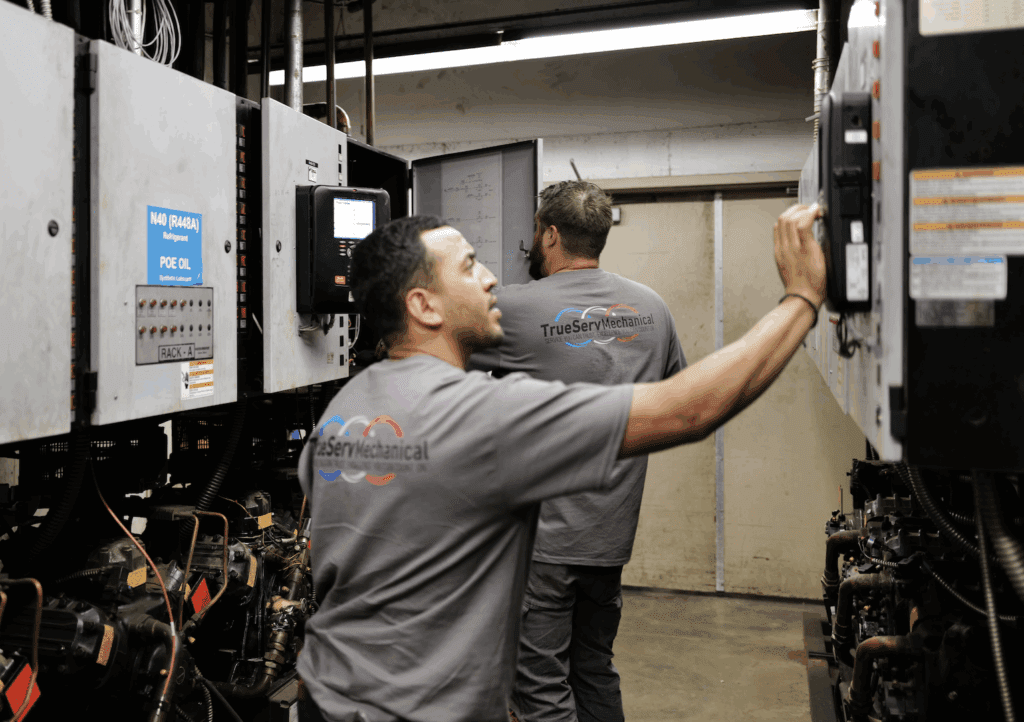
For full details on how TrueServ protects businesses from downtime and costly repairs, visit our Commercial HVAC Repair page.
Why HVAC Maintenance for Businesses Matters More for Multi Site Operations
Multi site businesses face greater risk when equipment is neglected. A single breakdown can disrupt multiple locations if the business runs on a shared maintenance workflow. Commercial HVAC maintenance ensures each unit receives proper care on schedule.
For grocery stores, convenience stores, restaurants, and food service operations that rely on refrigeration, commercial refrigeration maintenance contracts ensure cold storage equipment stays compliant and efficient. Combining HVAC and refrigeration care under one provider simplifies scheduling and documentation.
How to Avoid the Problems That Come from Skipping Maintenance
The solution is simple. Set up a routine maintenance plan that includes seasonal inspections, filter service, coil cleaning, electrical testing, and documentation. This prevents the issues described above and helps the business stay ahead of costly repairs
FAQS
Why is commercial HVAC maintenance important for business operations?
It prevents breakdowns, reduces energy costs, improves air quality, and protects long term equipment investments.
What happens if businesses skip refrigeration maintenance?
Refrigeration failures can lead to unsafe temperatures, food spoilage, and higher energy use. Contracts help prevent these issues.
How often should businesses schedule preventive care?
Most businesses schedule maintenance twice per year. High demand environments may require additional visits.